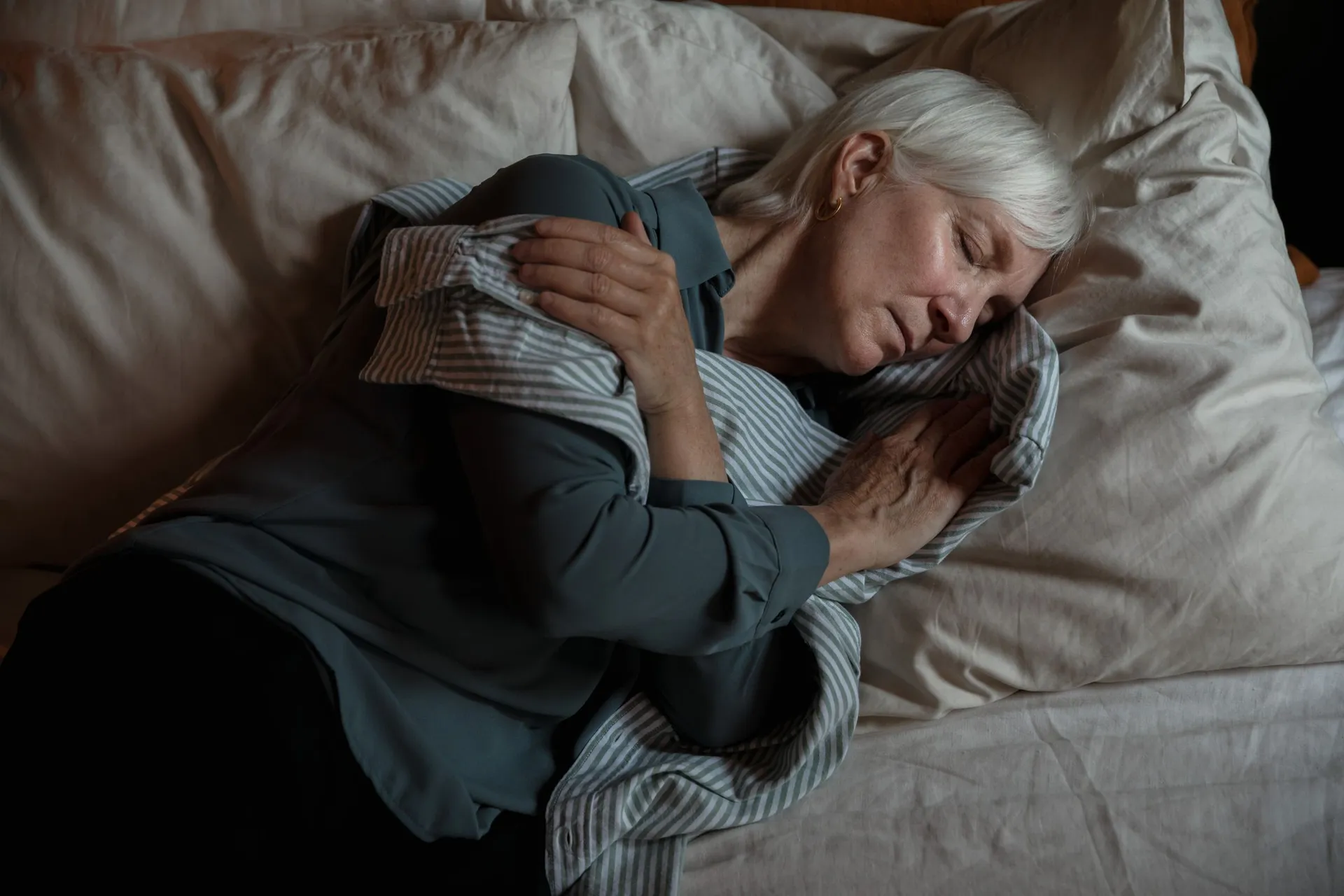
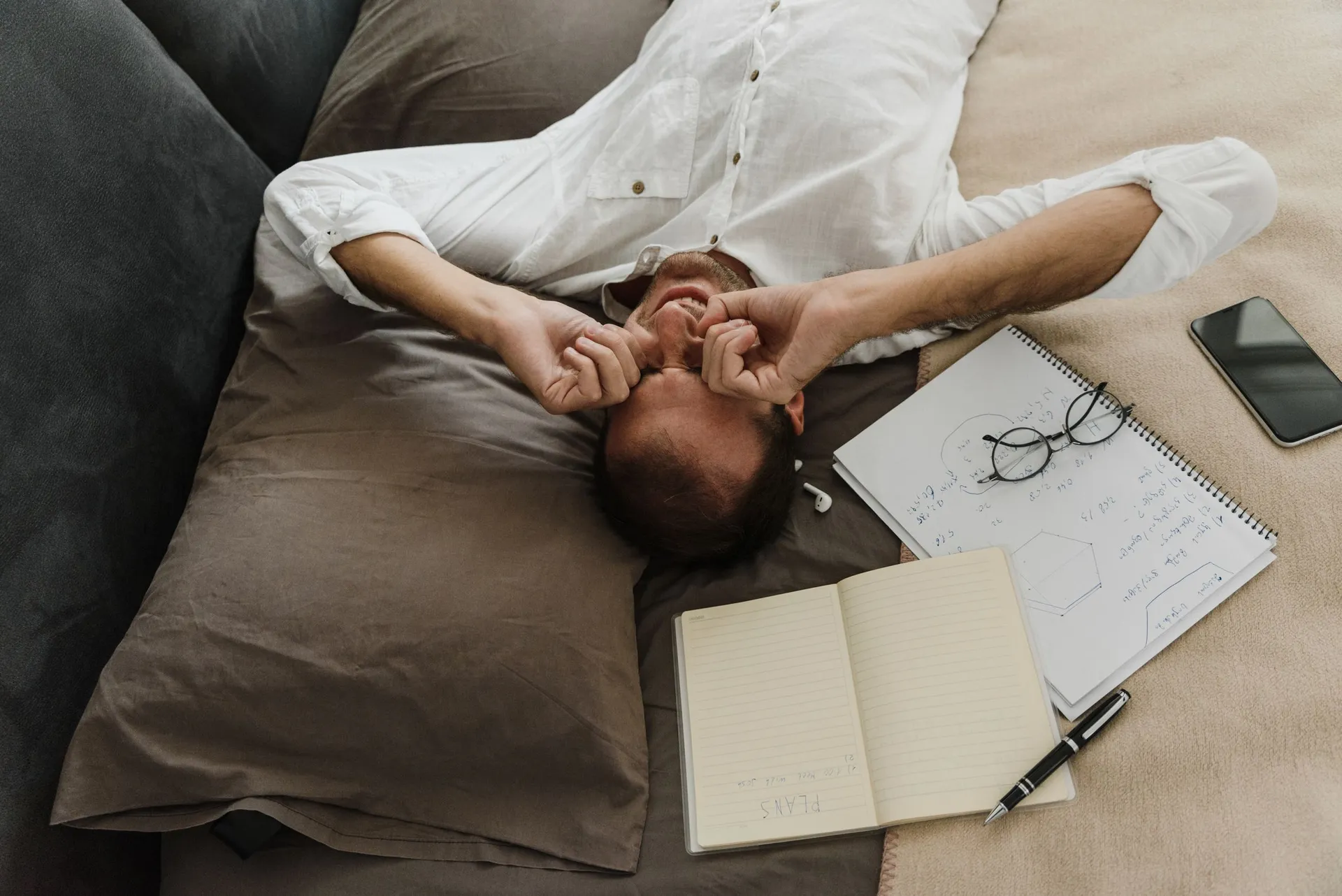
Good sleep quality means falling asleep without a long wait and staying asleep through most of the night.[3] Most adults need about 7 to 9 hours a night to wake up refreshed, and simple changes to your routine and bedroom can improve your chances of a good night's rest.[1]
Plenty of Australians find that hard. In a 2026 Sleep Health Foundation survey, 54.2% said they don't sleep well three or more nights a week.[2]
This guide covers why sleep matters, what good sleep looks like, what gets in the way, 10 everyday habits that may improve your sleep, and when to talk to a GP.
Key takeaways
Most adults need about 7 to 9 hours of sleep a night.
A steady wake-up time, a wind-down routine and a cool, dark, quiet bedroom are a good place to start.
Caffeine, alcohol, screens in bed and long naps can all chip away at sleep quality.
If poor sleep is a regular problem, or you snore loudly and wake up gasping or choking, see your GP.
Why does good sleep matter?
Sleep is essential for your physical health and emotional wellbeing. It gives your body time to repair tissues and store memories, and it supports your attention, learning and problem solving. Sleep also helps regulate your mood, keeps your immune system strong, keeps your heart and blood vessels healthy and helps control your appetite and weight.[1]
Over the long term, not getting enough sleep can raise your risk of diabetes, heart disease, high blood pressure, stroke and infections.[1]
What does good sleep quality look like?
Sleep quality is about how well you sleep, not only how long. A panel of sleep experts brought together by the US National Sleep Foundation agreed on four signs of good sleep quality in healthy adults.[3]
Time to fall asleep: 30 minutes or less
Waking up for more than 5 minutes: No more than once
Time awake after first falling asleep: 20 minutes or less
Time in bed spent asleep: At least 85%
Sleep runs in cycles of about 90 minutes, and each cycle has two main types of sleep:[1]
Non-REM sleep. This includes deep sleep, when your body temperature drops, your muscles relax, your heart rate slows and you're harder to wake.[1] The deepest sleep comes in the first three hours of sleep.[12]
REM (rapid eye movement) sleep. Your eyes move quickly and your mind is very active. Most vivid dreaming happens in REM sleep, and it's important for learning and making new memories. You get more of it later in the night.[1][12]
Adults spend about 80% of the night in non-REM sleep and about 20% in REM sleep.[1] Very brief wake-ups are normal too. Most people have many each night without being aware of them.[12] What matters is whether you can drift off again and wake up feeling rested.
How much sleep do adults need?
Most adults need about 7 to 9 hours of sleep each night to feel refreshed and function at their best the next day.[1] Sleep needs settle at around age 20, and older adults usually need about the same amount as younger adults, although their sleep tends to be lighter.[1]
Everyone is a little different. Some people are genuine short sleepers, and others need more than average.[4] Australians averaged 6.9 hours a night in the Sleep Health Foundation's 2026 survey, a little under the recommended range.[2]
A simple test is how you feel and function during the day.[4] If you're finding it hard to concentrate or feeling more irritable than usual, you may need more sleep or better quality sleep.[1]
What causes poor sleep?
Poor sleep usually comes from a mix of habits, surroundings and what's going on in your life. The most common culprits are:
An irregular body clock. Your internal clock controls when you feel sleepy. Shift work and jet lag can throw it out.[1] Getting up at the same time every day, even on weekends, helps keep it steady.[6]
Caffeine, nicotine and alcohol. Nicotine is a stimulant,[1] and caffeine can also get in the way of sleep.[8] Alcohol might make you sleepy at first, but it can disrupt your sleep cycles and lead to poorer quality sleep.[1]
A busy mind. In the 2026 Sleep Health Foundation survey, a busy mind was the most common everyday factor people said affected their sleep (41.1%), and a quarter (25.4%) named financial stress.[2]
Screens in bed. Phones, computers and TV can disrupt sleep and train your brain to link bed with being awake.[1]
Your bedroom. A room that's too warm, noisy or bright, or an uncomfortable bed, makes it harder to sleep well.[1]
Pain and discomfort. Pain can make sleep lighter and wake you more often, and poor sleep can make pain feel worse.[5]
Health and life stages. Hormonal changes, such as hot flushes and night sweats during menopause, can affect sleep.[8] In the 2026 survey, 63.9% of people going through perimenopause or menopause said their sleep had worsened in some way.[2] Some sleep disorders and some medicines can also disrupt sleep,[8] which is why ongoing problems are worth raising with a GP.
10 habits that may improve your sleep quality
These habits are often called sleep hygiene. You can't force sleep, but they make a good night more likely.[1] Better sleep won't happen as soon as you make changes, but if you keep the habits up your sleep should improve,[6] so pick two or three and stick with them.
Get up at the same time every day. A steady wake-up time, even on weekends, helps set your body clock so you feel sleepy at about the same time each night.[6]
Get some morning light. Light in the early part of the day helps set your body clock.[6] A short walk outside after breakfast counts.
Give yourself a wind-down buffer. Relax for an hour before bed and leave problem-solving and planning for earlier in the evening.[1][7] If your mind races at night, set aside a 'worry time' earlier in the evening to think through your day and plan what to do about anything on your mind.[7]
Keep screens out of bed. Avoid screens for an hour before bed, and use your bed for sleep rather than scrolling or TV.[1][8]
Keep your bedroom cool, dark and quiet. For most people, 17 to 19°C is a comfortable sleeping temperature.[6] Earplugs can help if you can't control noise, and an eye mask may help if you need to sleep during the day.[6]
Watch caffeine and late meals. Avoid tea, coffee and caffeinated soft drinks for at least 3 to 7 hours before bed.[1] Have your evening meal at least 2 hours before bed, so you're not hungry or too full at bedtime.[7]
Go easy on alcohol and cigarettes. Avoid alcohol for at least 4 hours before bed and cigarettes for at least 2 hours.[1]
Keep naps short. If you need a nap, keep it to about 20 minutes and be awake for at least 4 hours before bed.[1]
Don't lie there wide awake. If you're not asleep after about 20 minutes, go to another room and do something calm until you feel sleepy.[7] Turn the clock to the wall, because watching the minutes tick by can keep you awake.[1][6]
Move your body during the day. Regular exercise supports sleep. Morning is ideal, and evening exercise is fine as long as it isn't too vigorous close to bedtime.[6]
How sleep is linked to stress, pain and energy
Sleep affects, and is affected by, stress, pain and your energy levels.
A busy mind and money worries are among the most common things Australians say affect their sleep.[2] Our guide to managing stress covers everyday ways to bring it down.
Pain disturbs sleep, and losing sleep makes the brain more sensitive to pain.[5] Read more about muscle and body pain.
Even in the short term, poor sleep can affect your concentration, mood and reaction times.[1] If you feel tired all the time, sleep is the first place to look, but not the only one.
When should you see a doctor about sleep?
See your GP if you regularly wake up unrefreshed, feel restless in bed, have trouble getting to sleep, or find that tiredness is affecting your mood.[1] Also see a doctor if you notice:
loud snoring, pauses in your breathing, or waking up gasping or choking, which can be signs of obstructive sleep apnoea[9]
feeling very sleepy during the day, even after a full night in bed[9]
drowsiness while driving. Drowsiness is the underlying cause of an estimated 20 to 30% of road crashes in Australia,[10] and severe lack of sleep can affect your driving as much as alcohol.[8]
Before your appointment, try keeping a sleep diary to track your sleep, and take it with you to share with your GP.[8] Note when you go to bed, roughly when you fall asleep, how often you wake and when you get up. Your GP is also likely to ask about your medicines and your caffeine and alcohol use.[8]
What a health professional may suggest
A GP will usually start by asking about your sleep, health, medicines and daily routine. They may ask you to keep a sleep diary or fill in a short questionnaire.[8] Depending on what they find, options include:
CBT-I. A structured form of cognitive behavioural therapy for ongoing sleep problems. It usually runs over 4 to 8 sessions with a trained psychologist, in person or by telehealth.[11] The Royal Australian College of General Practitioners recommends it as a first approach, and it has been shown to improve symptoms for up to 80% of people with ongoing sleep problems.[11] Free Australian online programs include This Way Up and the MindSpot Sleep Course.[11]
A sleep study. If your doctor suspects a sleep disorder such as sleep apnoea, they may refer you for an overnight sleep study, in a sleep clinic or at home.[9]
Medicines. Sleeping pills don't usually address the causes of poor sleep, and they are less effective than CBT. If they are prescribed, it's for as short a time as possible.[1][8]
Your GP can also check whether a health condition, a medicine or a life stage such as menopause is playing a part.[8]
Complete a 2 min pre-screening to see if Hellomello is right for you.
We believe your healthcare journey deserves kindness and empathy
For most adults, no. Regularly getting 6 hours is less than the 7 to 9 hours most adults need.[1] A few people are genuine short sleepers, but if you feel foggy, irritable or sleepy during the day, you probably need more.[1][4]
Why do I keep waking up at 3am?
Waking briefly during the night is normal, and most people do it many times a night without noticing.[12] Struggling to get back to sleep can be linked to a busy mind, alcohol earlier in the evening or a room that's too warm.[1][2][6] Needing the toilet can also wake you. Going before bed helps, and alcohol can make you wake more often to go.[6][7] If you're regularly waking like this and struggling to get back to sleep, talk to your GP.[1]
How long should it take to fall asleep?
Falling asleep within about 30 minutes is one sign of good sleep quality.[3] If you're still awake after about 20 minutes, get up and do something calm in another room until you feel sleepy.[7]
Does alcohol help you sleep?
Not really. Alcohol might make you feel sleepy at first, but it can disrupt your sleep cycles and lead to poorer quality sleep.[1] Try to avoid it for at least 4 hours before bed.[1]
Why do I wake up tired after 8 hours in bed?
Time in bed isn't the same as good sleep. Broken sleep, alcohol, a disruptive bedroom or a sleep disorder such as sleep apnoea can all leave you unrefreshed.[1][9] Regularly waking up tired is a good reason to see your GP.[1]
Is it bad to nap during the day?
Short naps are usually fine if you're sleeping well at night, but naps in the evening can make it harder to get to sleep.[7] If you do need a nap, keep it to about 20 minutes and be awake for at least 4 hours before bedtime.[1]
What's the difference between deep sleep and REM sleep?
Deep sleep is part of non-REM sleep. It's when your body temperature drops, your muscles relax, your heart rate slows and you're harder to wake. REM sleep is when most vivid dreaming happens, and it's important for learning and memory.[1] The deepest sleep comes in the first three hours of sleep, and you get more REM sleep later on.[12]
Can you catch up on sleep on the weekend?
Not fully. If you get too little sleep during the week and then sleep in for hours on the weekend, you'll probably still wake up on Monday feeling like you need more sleep.[13] Getting up at the same time every day, even on weekends, keeps your body clock steady, so aim for enough sleep every night instead.[6]
MEDICAL DISCLAIMER
This article is for informational purposes only and does not constitute medical advice. Everyone's circumstances are different, and what works for one person may not work for another. Please consult an AHPRA-registered healthcare professional for advice specific to your circumstances.
References
1.healthdirect. Sleep. Accessed 14 October 2026. https://www.healthdirect.gov.au/healthy-living/physical-wellbeing/sleep
2.Sleep Health Foundation. Work stress fuelling Australians' poor sleep, new Sleep Health Foundation data reveals. 3 August 2026. https://www.sleephealthfoundation.org.au/news-and-articles/work-stress-fuelling-australians-poor-sleep-new-sleep-health-foundation-data-reveals
3.Ohayon M, Wickwire EM, Hirshkowitz M, et al. National Sleep Foundation's sleep quality recommendations: first report. Sleep Health. 2017;3(1):6-19. https://doi.org/10.1016/j.sleh.2016.11.006
4.Sleep Health Foundation. How much sleep do you really need? Accessed 14 October 2026. https://www.sleephealthfoundation.org.au/sleep-topics/how-much-sleep-do-you-really-need
5.Sleep Health Foundation. Pain and sleep. 21 January 2025. https://www.sleephealthfoundation.org.au/sleep-topics/pain-and-sleep
6.Better Health Channel, Victorian Department of Health. Sleep hygiene. Accessed 14 October 2026. https://www.betterhealth.vic.gov.au/health/conditionsandtreatments/sleep-hygiene
7.Sleep Health Foundation. Sleep hygiene: good sleep habits. Accessed 14 October 2026. https://www.sleephealthfoundation.org.au/sleep-topics/sleep-hygiene-good-sleep-habits
8.healthdirect. Insomnia. Accessed 14 October 2026. https://www.healthdirect.gov.au/conditions/sleep-disorders/insomnia
9.healthdirect. Obstructive sleep apnoea. Accessed 14 October 2026. https://www.healthdirect.gov.au/conditions/sleep-disorders/obstructive-sleep-apnoea
10.House of Representatives Standing Committee on Health, Aged Care and Sport. Bedtime Reading: Inquiry into Sleep Health Awareness in Australia, chapter 2: Insufficient sleep. Parliament of Australia, 2019. https://www.aph.gov.au/Parliamentary_Business/Committees/House/Former_Committees/Health_Aged_Care_and_Sport/SleepHealthAwareness/Report/section?id=committees%2freportrep%2f024220%2f26953
11.Sleep Health Foundation. Cognitive behavioural therapy for insomnia (CBT-I). 20 November 2025. https://www.sleephealthfoundation.org.au/sleep-disorders/cognitive-behavioural-therapy-for-insomnia-cbt-i
12.Sleep Health Foundation. Facts About Sleep. 12 January 2024. https://www.sleephealthfoundation.org.au/sleep-topics/facts-about-sleep
13.Sleep Health Foundation. The 'Sleep Calculator' is just unscientific hype. 22 March 2024. https://www.sleephealthfoundation.org.au/news-and-articles/the-sleep-calculator-is-just-scientific-hype